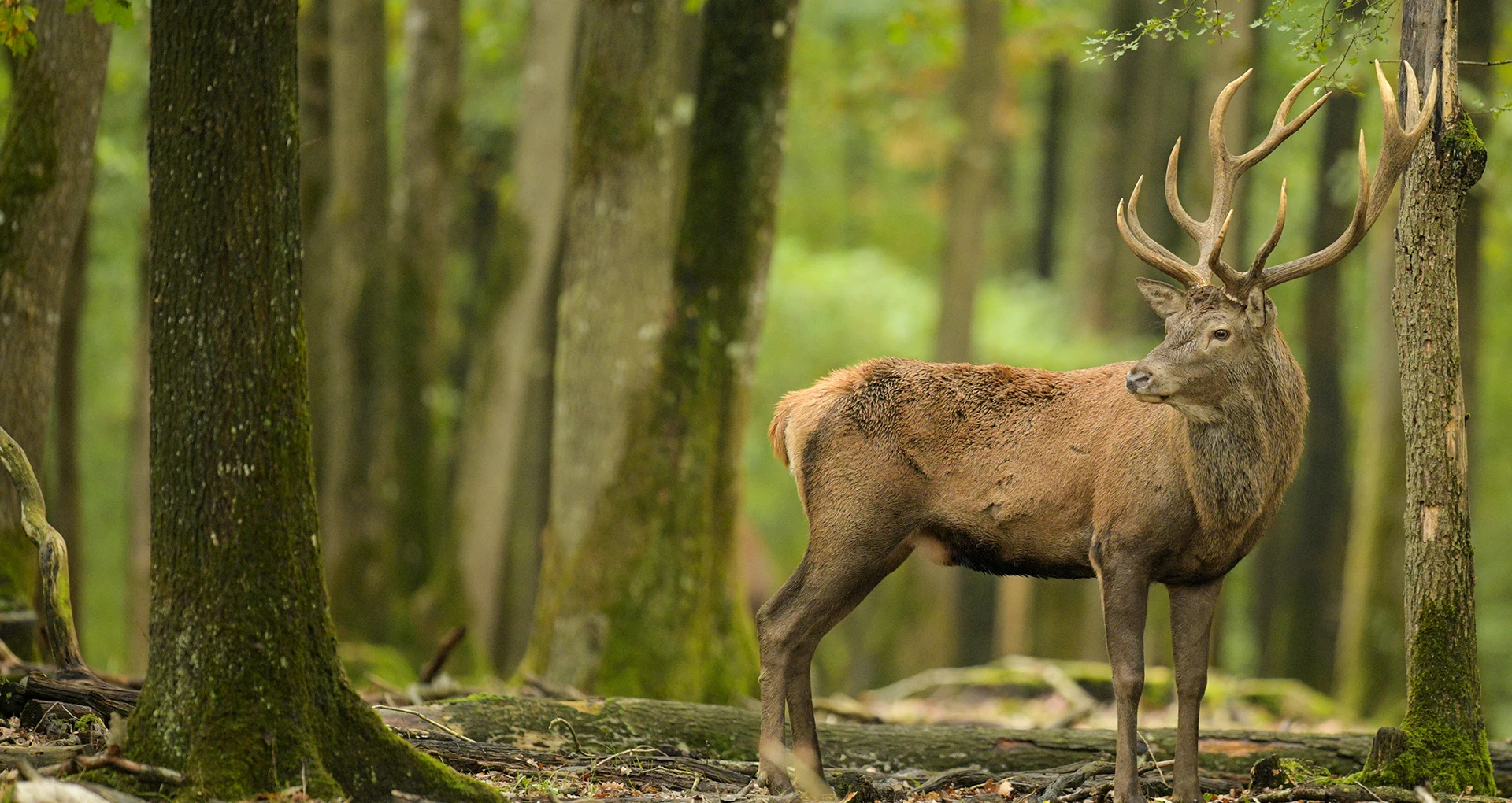
Wildlife and companion species management across Canada



Veterinary care and preventive wellness protocols
Wellness exams detect periodontal disease, osteoarthritis, and metabolic imbalances before symptoms become visible. Blood panels reveal thyroid dysfunction, kidney stress, and liver abnormalities through specific markers, while coprology tests identify internal parasites requiring targeted treatment. Vaccination schedules adapt to provincial disease prevalence, with booster timing calibrated to antibody persistence measured through titer testing.
Parasite prevention extends beyond medication to environmental management, including yard treatments during spring thaw. Flea populations surge in humid microclimates, while blacklegged ticks carrying Lyme disease inhabit Canadian wooded transitional zones between forest and prairie areas.
Nutritional requirements shift dramatically across life stages, with growing juveniles demanding protein concentrations exceeding adult maintenance levels. Geriatric pets benefit from chondroitin compounds like glucosamine integrated into specialized formulations, while dental-specific kibble textures mechanically reduce plaque accumulation. Therapeutic formulas manage conditions from kidney disease to food sensitivities through controlled ingredient profiles.
Adoption & Rescue: Successful Placement and Family Matching
From provincial shelters to breed rescues, adoptable animals reveal remarkable diversity. Adoption counselors assess not only appearance but also behavioral tendencies, lifestyle compatibility, medical history, and special needs linked to specific breeds to ensure responsible integration.
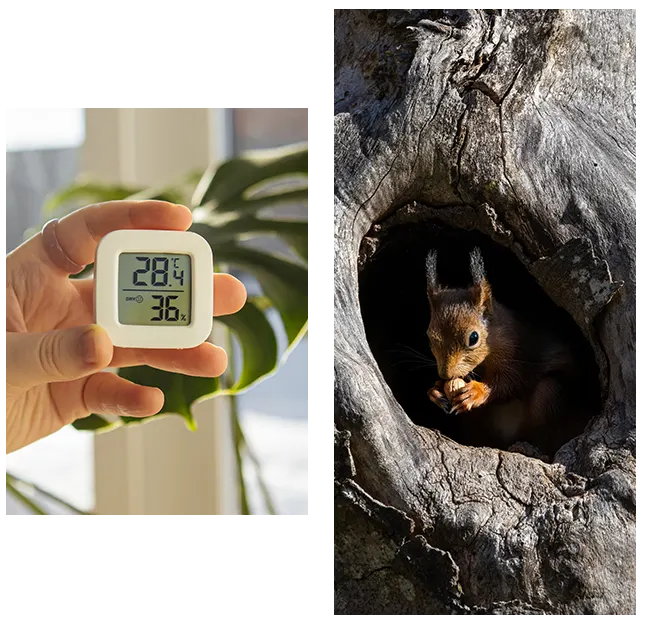
Natural habitats and controlled living spaces
Ethology and behavior insights
Inside the World of Species and Family Dynamics
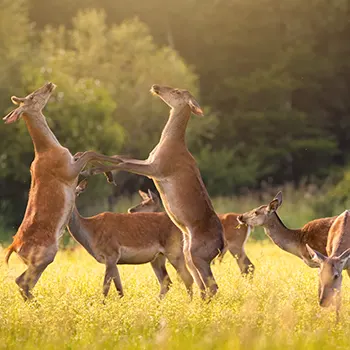
Social structures and group hierarchies
Many species live in defined social groups, from structured hierarchies to cooperative units. Understanding these arrangements explains how family roles, group cohesion, and survival strategies develop, influencing interactions within the community and long-term evolutionary adaptability across generations.
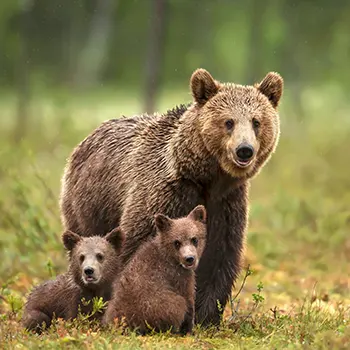
Parental care and litter survival
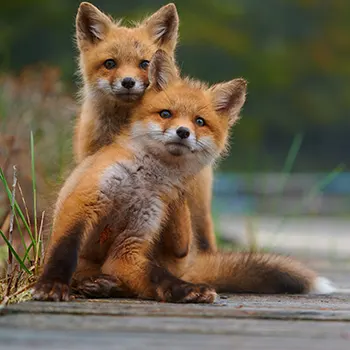
Parenting approaches differ widely among species, ranging from single-parent dedication to shared responsibilities. Observing maternal instincts reveals how offspring acquire essential life skills, gain protection, and form bonds that contribute to healthy growth and integration into the family unit.
Vocal signals in family groups
Animals communicate through vocalizations, body language, and chemical cues to maintain contact, establish dominance, or signal danger. Recognizing these signals enables researchers to interpret emotional states, social hierarchy, and the strength of familial bonds accurately across species and environments.

Conservation of native family units
Environmental changes and human interventions can disrupt family cohesion and social stability. Protecting habitats and supporting natural social structures are essential to preserve species diversity, maintain functional family units, and promote thriving populations in Canadian wild ecosystems.
Positive reinforcement foundations build through incremental steps, starting with brief attention spans and minimal distractions. Distance, duration, and distraction levels increase systematically only after reliable performance. Family consistency prevents confusion from conflicting signals or variable enforcement of canine behavioral expectations.
Training sessions maintain engagement through short duration, typically five to ten minutes, preventing fatigue and preserving motivation. High-value treats sustain learned behaviors more effectively than predictable patterns, as intermittent reinforcement maintains focus and effort throughout practice repetitions.
Interactive Accessories & Gear for Pets

Outdoor Adventure Gear
Trail harnesses help dogs stay fit while exploring local environments. Cold-weather equipment like wax paw protectors and thermal coats support snow activities, including cross-country adventures and forest snowshoeing, keeping pets active and safe during freezing winters.
Structured Play and Training Tools
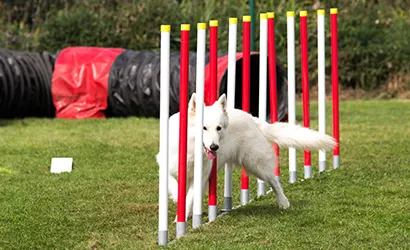
Agility kits challenge dogs’ coordination with weave poles, tunnels, and jump sequences, providing fun exercise against timed standards. Education accessories like clickers and target sticks enhance responsiveness to handler commands, promoting focus and discipline during coaching sessions.
Mental Enrichment Products
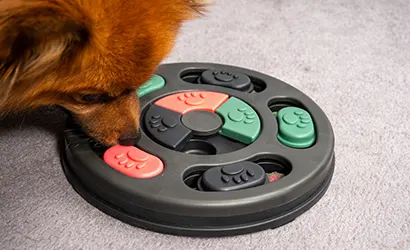
Scent games and tracking kits stimulate dogs’ natural instincts, teaching focused search patterns to find hidden rewards. Interactive bowls slow down mealtime from seconds to twenty minutes, encouraging problem-solving skills and reducing gastric dilation risks, keeping pets mentally sharp.